
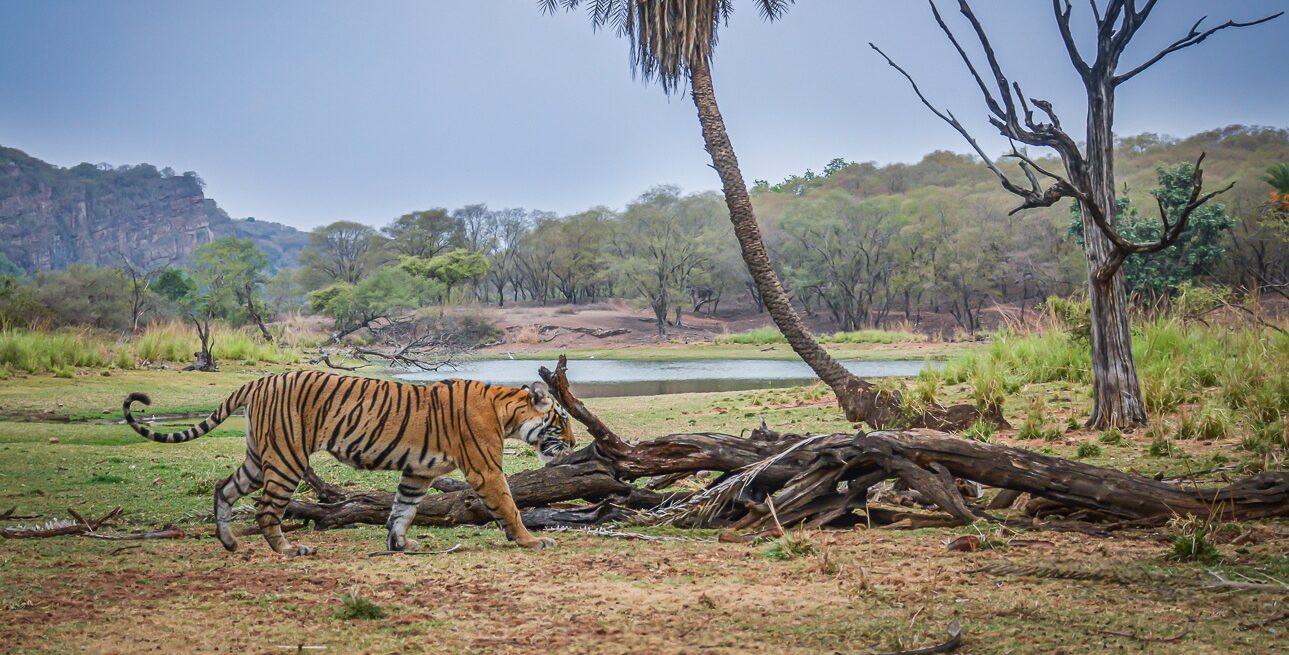
Ranthambore National Park is located in Sawai Madhopur District in the state of Rajasthan, India. Sawai madhopur is approximately 110 Kms from Kota and 140 Kms from Jaipur. In the year 1955, Ranthambore was established initially as Sawai Madhopur game sanctuary. Ranthambore is situated in the range of Vindhya plateau and Aravalli hills. Ranthambore National park is surrounded from Northern side by Banas river and Southern side by Chambal river. These rivers ensures the abundant water supply for the wild habitat inside the Ranthambore forest.
Ranthambore Tiger Reserve is spreaded in the 1334 Sq Kms. National park covers 392 Sq Kms of area. Ranthambore Tiger Reserve was expanded in the year 1992 by including the adjoining part of forest and Keladevi sanctuary and Sawai mansingh Sanctuary. Ranthambore National Park is one of the famous National parks of India. Ranthambore is not only known for Tigers but also for its heritage sites like Ranthambore fort, Jogi Mahal, Ancient temple and Rajbagh Ruins and many more. This park attracts domestic and foreign travelers to sight the Tigers in India.
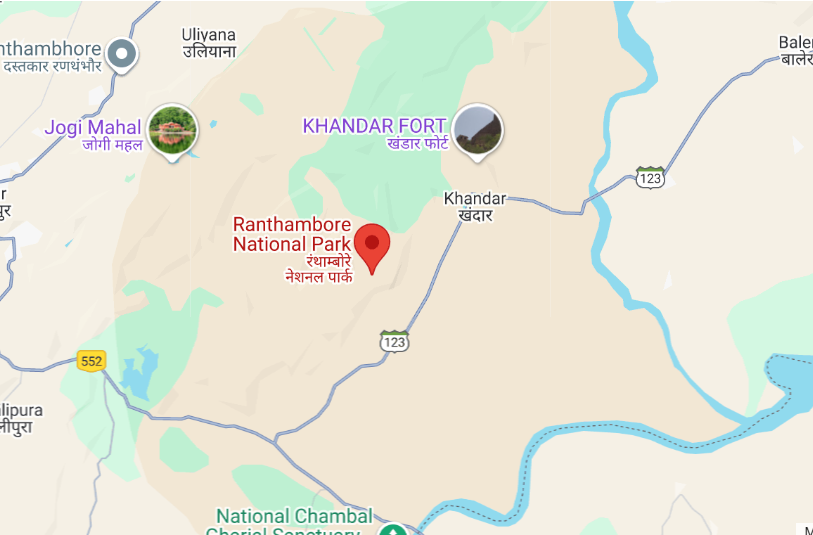
Ranthambore National Park is entitled on the Ranthambore fort situated in the middle of the forest. The name of the fort was derived from two hills – Thanbhor and Ran. The Ranthambore fort was built on the Thanbor hill and the Ran hill is behind the fort. In the year 1955 the forest was declared as Sawai Madhopur Wildlife Sanctuary. Ranthambore was declared a sanctuary in the year 1970. Before 1970 it was the hunting reserve for the Maharajas of Jaipur. In 1973, Project Tiger was launched and ranthambore was amongst nine Tiger reserves of India, shortlisted for the project. In the year 1981 Ranthambore was declared as National Park. The villages from inside the park were relocated outside between the year 1981 to 1991. The increase in Tiger population was noticed after that. In the year 1989, the Tiger census confirmed the presence of 44 Tigers from the count of 14 Tigers. Several protection measures were taken by Forest department to maintain and increase the presence of the Wild Beast, The King Tiger in Ranthambore National Park.
Ranthambore National Park is rich in Flora. Ranthambore is dry deciduous forest, and this forest has very scanty rainfall. The Tiger Reserve has lakes, steep hills, plateaus, narrow valleys, gentle slopes, etc. and approximately 300 variety of trees and plant communities. The distinctive vegetation found in Ranthambore forest are Karel (Capparis decidua), Khejda (Prosopis specigera), Kakera (Flacourtia indica), Mohua (Madhuca indica) and Neem (Azadirachta indica). Trees like Imli (Tamarindicus indica), Babul (Accasia nilotica), Banyan (Ficus benghalensis), Ber (Zizyphus mauritiana), Dhak or Chila (flame of the forest) {Butea monosperma}, Jamun (Syzygium cumini), Kadam (Authocephalus cadamba), and Khair (Accacia catechu). Dhok (Anogeissus pendula) grows on hills and slopes, this tree has a better water holding capacity and is the dominating tree in Ranthambore reserve. The leaves of the Dhok trees are the favorite food for the Deer and Nilgai. Another prominent tree is Tendu tree (Diospyrous melanoxylon), the leaves of tendu tree are used for making Bidis. Tendu fruit is favorite meal of Sloth bear. Flowers of flame of forest increases the beauty of forest and delights the tourists in Ranthambore Tiger Reserve. Khus grass (Vetivaria zizznioides) is found on the edges of the lakes. The unique feature of this grass is the aromatic fragrance from its roots. The oil is extracted from the roots of the khus grass and exported in large quantities. This grass is also used by the locals for making the boxes.
Ranthambore National Park also has a wide variety of aquatic flora such as water lilies and lotus and many more.

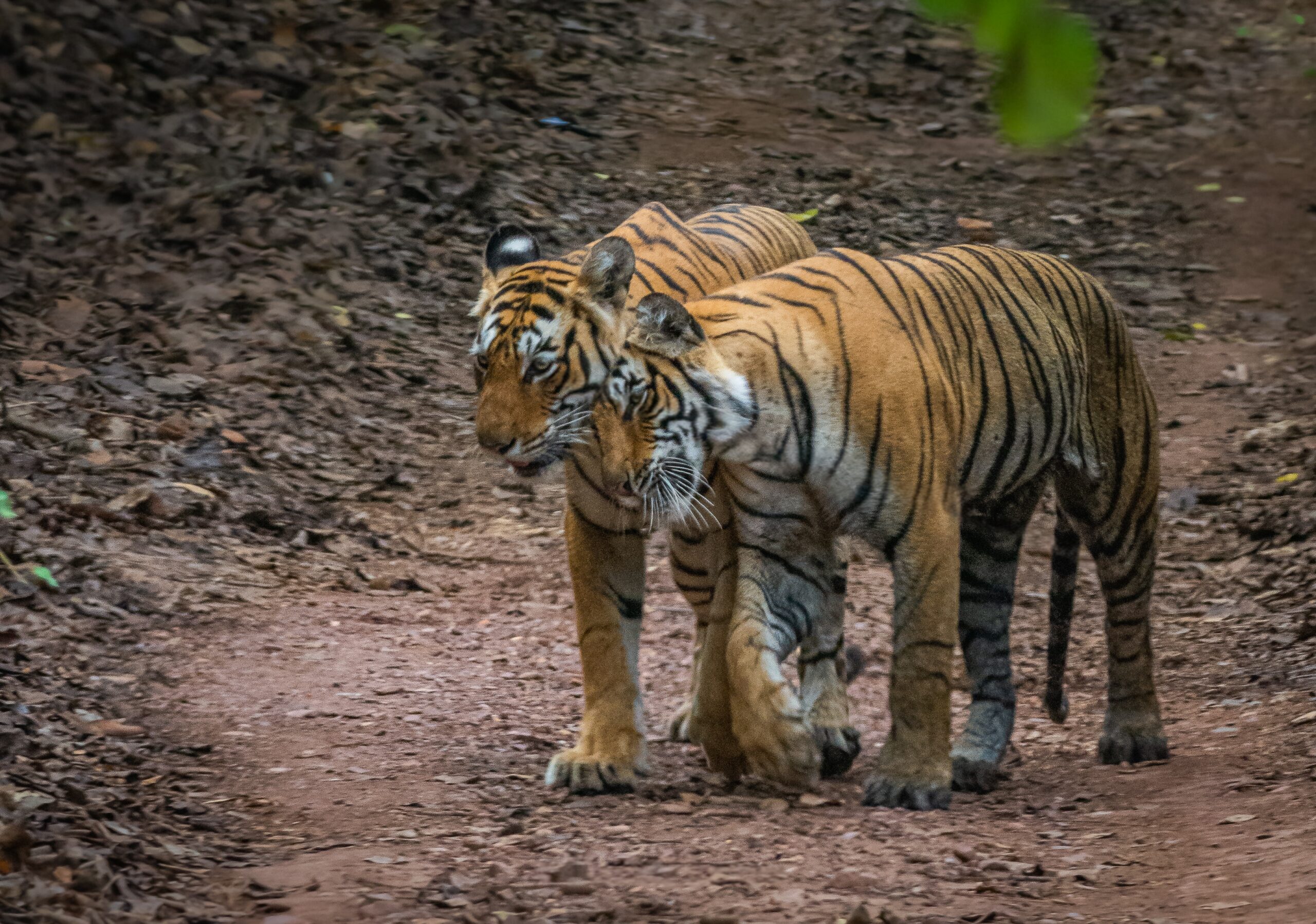
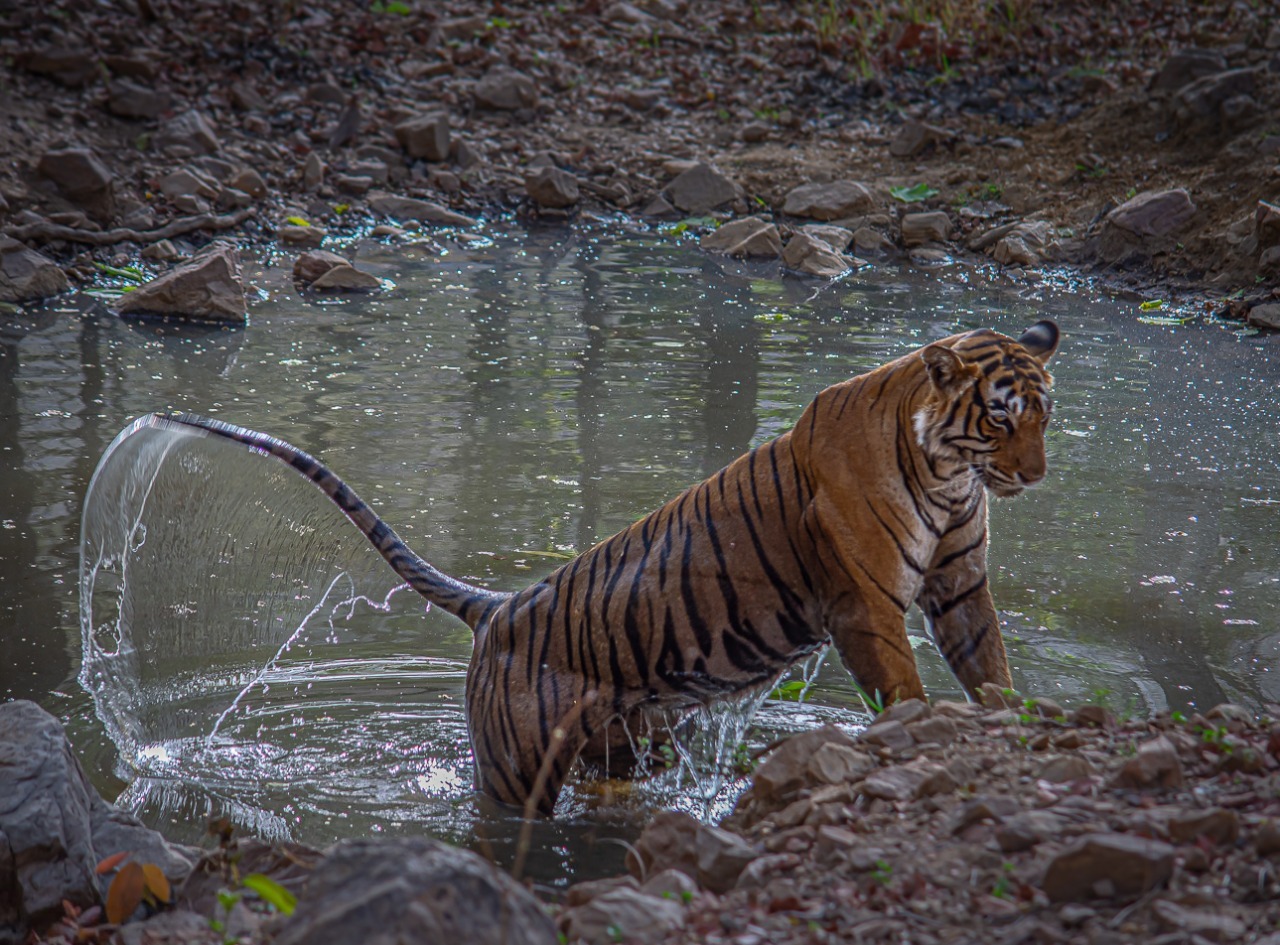
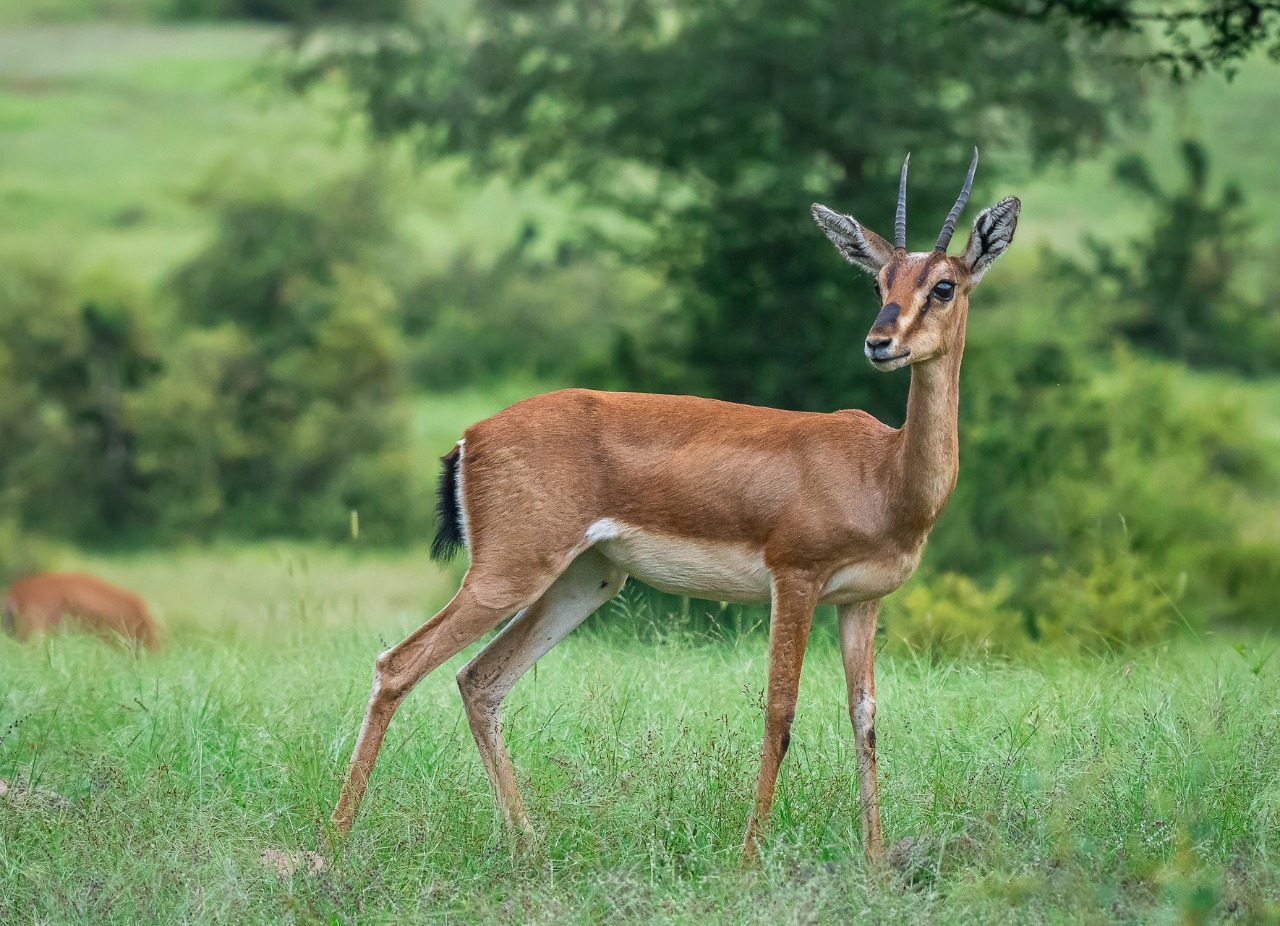
The unique climatic condition and vegetation features of Ranthambore forest has increased the forests dry area and little and underdeveloped ground cover is left in the forest. This is one of the reason for increased wildlife sightings during game drive in Ranthambore National Park. Ranthambore is known for the “Royal Bengal Tigers”. Ranthambore has always been an attraction between the tourists, because of the excellent Tiger sightings. Leopard, Caracal, Leopard cat, Fishing cat and Jungle cat are the other cats often sighted during Jungle safari in Ranthambore National Park. Other mammals found in Ranthambore other than the King Tiger are Sloth Bear, Striped Hyena, Jackal, Desert fox, Palm civet, common mongoose, Gray langur, Indian wild boar crocodile, python etc. Spotted deer (chital), and Sambhar deer are the two species antlers are the residents of Ranthambore forest. Indian Gazelle (chinkara ) and the Bluebull ( Nilgai ) are the two kinds of antelopes sighted in Ranthambore National Park.
There are more than 300 species of Birds witnessed in Ranthambore National Park. This is said to be Bir watchers paradise. Tourists get the excellent sight of Vultures & Serpent eagles on the sky. Other resident species of birds are large Cormorant, Painted Spurfowl, Sarus Crane, Bronzed winged Jacana, Sandpiper, Kingfisher, Nightjar, Painted Sandgrouse, Great horned owl and many more regular winter visitors come from north of Himalayas to Ranthambore and surrounding areas. Ranthambore is home to resident and migratory birds. Jungle safari trip to Ranthambore is the best way to experience the majestic wildlife of Ranthambore National Park.
Ranthambore Fort: Ranthambore Fort was built by Sapaldaksha of Chauhan dynasty in 10th Century. This is Situated in the locale of Ranthambore National Park. Ranthambore fort has been declared as the world heritage site by UNESCO.
Kachida Valley:
It is recommended to visit this place during the trip to Ranthambore National Park.
This is in the outskirts of National park, Open jeep is an ideal mode of transport to this place, as this is rocky and low hilly area. This is known for Panther population, as Panther and Tigers can not co-exists at the same place. Tigers are known to kill Panthers. herds of Deers are also sighted in Kachida Valley in Ranthambore National Park.
Padam Talao: Lakes are always beautiful and pleasant.This is the biggest lake in ranthambore National Park and is home to many resident and migratory birds. One must Padam Talao during the Jungle safari trip to Ranthambore.
Malik Talao :This offers the sightings of the Crocodiles. Malik Talao has a good population of crocodile in it. Sightings of the wildlife and birds are high in this area in summers being the water body of the forest.
Raj Bagh Talao : Raj bagh talao is known for Tiger sightings and is one of the beautiful lake of Ranthambore National Park. This lake is titled after the Raj Bagh whose ruins are located beside the lake.
Raj Bagh Ruins : Situated in between the two prominent lakes – Padam Lake and Raj Bagh Lake, the ruins are of the pre-historic era and offer a panoramic beauty of the forest.
Jogi Mahal : Jogi Mahal presents the history of the Royals of Jaipur, this was the place for rest for them during their hunting excursion in the forest. The calm and enthralling environment around the Jogi Palace will hypnotize you and force you to stay here for some time and experience the pristine beauty of Ranthambore National Park.
Rajiv Gandhi Regional Museum of Natural History : The museum is located outside the forest and can be visited for the knowledge of bio-diversity of Ranthambore region, which includes detailed information on the flora and fauna found in the forest.
Dastkar Ranthambore :A small souvenir market situated outside the forest, offers some souvenirs, the tribal handicraft and crafted pillow covers, table cloths and many more.
Trinetra Ganesh Temple : This is an ancient temple and located inside the Ranthambore fort. This is the only temple of the Lord Ganesha with trinetra. This is amongst the most visited temple in Sawai Madhopur. Temple can be seen only through the Jungle safari tour to Ranthambore National Park.
Ranthambore National park safari is 8 Kms from sawai Madhopur. Ranthambore Jungle safari is known for its Flora and Fauna. Ranthambore national Park is divided into 10 safari entry zones. The safari bookings can be done 90 to 120 days in advance. All the zones offers the great Tiger sightings during the Game drive in Ranthambore National Park. Open jeep safaris in Ranthambore Tiger Reserve are at the discretion powers of forest department. Jeep safari and canter safari are the two options for the tourists to explore the Ranthambore forest.
Open Jeep Safari in Ranthambore – The Jeep can accommodate 6 adults, one guide and one driver. Child above 5 years is counted as an adult for jeep safari in Ranthambore. This is recommended to photographers and wildlife enthusiasts or family with smaller groups. Jeeps can go to deep inside in narrow terrains of the forest during the excursion in Ranthambore. Morning and evening safaris are permissible in ranthambore National Park.
Canter Wildlife Safari in Ranthambore : Canter can accommodate 20 adults with guide and driver. Canter is also an open vehicle like Jeep but bigger in size. This is much cheaper and economical option for tourists to visit the National Park. Canter is recommended for bigger groups, as they can experience the jungle safari together rather than splitting into smaller groups in a Jeep.
Different Zones of Ranthambore National Park
Ranthambore has 10 different safari zones open for Tourism. These safari zones are under the rules and regulations of the conservation authorities of the park. All the zones are very well maintained and offers great sightings of the wild.
To know the areas with higher probability of sighting, check out the major zones and the places to visit during safari are mentioned below
Zone 1, Ranthambore National Park : During the Jungle safari trip, the areas to be covered in zone one in Ranthambore are Singhdwar (entry point), Dhoop Chowk, Tuti Ka Nala and Sultanpur Chowki Khabli, Kharia and Kala Peela pani. These places are known for the consistent sightings of the wild. Online safari bookings in Ranthambore shall be done for the safari ride.
Zone 2, Ranthambore National Park: The areas where the chances of Tiger sightings are high during the excursion in zone two in Ranthambore Tiger Reserve are Jhalra, Bada Gate, Parniya, Telan Pacheri, Amrahi, Rishi Ka Deh, Phuta Bandha, Pandu Deh and Gaandra Deh. Jogi Mahal Nal Ghati, Phuta Kot, Lahpur Tiraha and Guda Chowki are famous for regular sightings and few places have historical importance.
Zone 3, Ranthambore National Park : Important places to see during the jungle safari tour to Ranthambore forest are Padam Talab, Rajbagh platform, Rajbagh Lake, Kadam Khandi, Rajbagh boring, Mandook, Doodh Baawri, Tapman Nalah, High Point and Karonj Ka Nalah in zone three in Ranthmabore.
Zone 4, Ranthambore National Park : Zone four in Ranthambore offers great sightings of the wild during game drive in Ranthambore reserve. the places covered during safari trip are Singh Dwar (entry point), Tamba Khan, Gular Kui, Lakkad Da, Malik Talab, Mendki De, Magar De, Aadi Dant, Baba KI Gufa, Aadi Dagar, Bhanwarde, Berda, Semli, Lambi Ka Nalah and Bhoot Khurra. This is the territory of Tiger and Tigress with cubs. Chances of sighting the Tiger are high along with other mammals.
Zone 5, Ranthambore National Park : There are many places to be covered during the forest excursion of Ranthambore, few important points are Jokha, Pili Ghati, Takiya Kui, Dhakda, Bagdah Kachida, Anatpura, Tiraha and Bakola.These places offers the sightings of the wild in their natural habitat.
Zone 6, Ranthambore National Park : Soleshwar, Saran Ka Pattha, Patwa Ki Baori and Kala Pani are the few important places of Zone six in Ranthambore and shall be visited during the safari tour to Ranthambore. Advance online Safari bookings in Ranthambore are done by the tourists.
Zone 7, Ranthambore National Park : Chidikho is the spot in zone seven in Ranthambore, where the chances of sightings of cat family are high. Tigress with cubs is often sighted here. These places offers the great flora and fauna of Ranthambore.
Zone 8, Ranthambore National Park : During the safari tour to Ranthambore zone eight, Balas is the place where the frequent sightings of the wild are noticed during the Jungle safari trip to Ranthambore. Good birdlife is also witnessed in this zone of the forest.
Zone 9, Ranthambore National Park : Ranthambore safari always excites the tourists. the famous point to be seen during Ranthambore safari in zone nine is Qual Ji, located in Phaloudi Range. this game reserve is a 45mins drive from Ranthambore Tiger Reserve. It is located on the banks of Chakal River and is a home to many Tigers and Caracal.
Zone 10, Ranthambore National Park : Zone ten in Ranthambore is home of to many birds, during winters its bird watchers paradise. Aantri is the famous spot in the forest and is the territory of male and 2 female Tigresses. Touists can experience this during jungle safari trip to Ranthambore.
The Open Jeep Safari in Ranthambore is the premier choice for wildlife photographers and intimate family groups seeking an exclusive jungle experience. Each jeep comfortably accommodates 6 adults along with an experienced guide and skilled driver who navigate the forest’s terrain. This safari option is particularly recommended for those who want closer encounters with wildlife, as jeeps can venture deep into the narrow terrains and remote corners of the forest that larger vehicles cannot access. Children above 5 years are counted as adults for booking purposes. The smaller group size ensures better visibility, less noise disturbance, and more personalized attention from your guide, making it ideal for serious wildlife enthusiasts and photographers who want to capture the majestic Royal Bengal Tigers and other residents of Ranthambore in their natural habitat.


The Canter Wildlife Safari offers an economical and social way to explore Ranthambore National Park, perfect for larger groups and budget-conscious travelers. These open vehicles can accommodate up to 20 adults along with a knowledgeable guide and driver, making them significantly more affordable than private jeep safaris. The canter is particularly recommended for families, friend groups, or tour groups who wish to experience the jungle safari together rather than splitting into smaller parties. While canters follow the main safari routes and may not access the narrowest forest paths, they still provide excellent opportunities to spot tigers, leopards, sloth bears, and the diverse birdlife that makes Ranthambore famous. The shared experience creates a sense of adventure and camaraderie among fellow wildlife enthusiasts, and the elevated seating provides good viewing angles across the forest landscape.
Ranthambore National Park is uniquely divided into 10 distinct safari zones, each offering different landscapes, wildlife territories, and sighting opportunities throughout the year. Safari bookings can be made 90 to 120 days in advance, and both morning and evening game drives are available with timings adjusted seasonally for optimal wildlife viewing and visitor comfort. Each zone has its own character – from Zone 3’s famous Padam Talab and Rajbagh Lake known for consistent tiger sightings, to Zone 10’s winter bird-watching paradise at Aantri. Zones 1-6 form the core area with higher probability sightings, while Zones 7-10 offer buffer territory experiences with equally thrilling encounters. All zones are maintained under strict conservation guidelines and remain open throughout most of the year, with full access during summer (best for tiger sightings) and winter seasons (ideal for birdwatchers), while limited zones operate during the monsoon period from July to September.
Ranthambore National Park is situated in Sawai Madhopur district of Rajasthan, India. It is just 140 Km away from Jaipur and 381 Km from the capital city, Delhi. Ranthambore has. a good connectivity from major cities by Railways, roadways and airways.
Airways :
The nearest airport to Ranthambore National Park is Sanganer Airport. It has access to several international flights from the major cities of the world and India. Jaipur is also one of the nearest and preferred airport from Ranthambore.
Railways :
Sawai Madhopur Railway Station is the nearest railway station to Ranthambore National Park. The railway station is located 10 km away from the park. Taxi and other modes of local transport are available here to reach to your destination.
Roadways:
Ranthambore National Park is very well connected through public and private bus. These buses run within the city and from other major cities like Jaipur, Jodhpur, Ahmedabad, Ajmer and Delhi. Tourists drive from different parts of country and come to Ranthambore National park.
It is recommended to visit Ranthambore National Park once during lifetime.
Ranthambore National Park has dry sub-tropical climate. The three major seasons are summer, winter and monsoon.
Summer : In Ranthambore, during summer the days temperature is above 40°C and the evenings are pleasant as temperature drops up 30°C. The weather changes from Mid march and summer lasts till June. One can experience the hot waves during peak summers. The sightings are high during summer season, so is said to be the best time for the sightings of Tigers in Ranthambore. All the safari zones are open during this season.
Monsoon : Ranthambore experiences monsoon from July to September. The weather is humid during monsoon and experience scanty rainfall. Few zones are open for safari during monsoon in Ranthambore National park.
Winter : The winters are pleasant in Ranthamore and is the best time for birdwatchers. Migratory bird species are seen during winters in Ranthambore. Winters starts from November and lasts till February. The day’s temperature raises up to 20°C, whereas the temperature at night goes down below 10°C. Mid winters are very cold and Foggy in Ranthambore. All the safari zones in Ranthambore are open during this season.
Safari Timings in Ranthambore
Jungle safari rides are permitted twice during the day. Safari timings in Ranthambore changes as per the season, also keeping in mind the convenience of visitors.
In the month of October :
7.00 A.M. to 10.30 A.M (Morning trip) and 2.30 P.M. to 6.00 P.M (Evening trip)
1st November to 31st January :
7.00 A.M. to 10.30 A.M (Morning trip) and 2.00 P.M. to 5.30 P.M. (Evening trip)
1st February to 31st March :
6.30 A.M. to 10.00 A.M. (Morning trip) and 2.30 P.M. to 6.00 P.M (Evening trip)
1st April to 15th May :
6.00 A.M. to 9.30 A.M (Morning trip) and 3.00 P.M. to 6.30 P.M. (Evening trip)
15th May to 30th June :
6.00 A.M. to 9.30 A.M. (Morning trip) and 3.30 P.M. to 7.00 P.M. (Evening trip)
No related packages found.